Building trust and ensuring seamless communication in multilingual conferences depend on the competence and qualification of conference interpreters. At Globibo, we don’t just meet basic standards; we adhere to the stringent requirements of ISO 23155, ensuring our team of interpreters is among the best in the field. This commitment to excellence is essential in a landscape where conference interpretation serves diverse industries and scenarios, from corporate boardrooms to international symposiums.
Challenges in Conference Interpretation
Conference interpreting involves more than just translating words. It requires a deep understanding of cultural nuances, the ability to process information quickly, and the skill to convey messages accurately. Misinterpretation can lead to misunderstandings, disrupt proceedings, and affect outcomes. Thus, the interpreter’s role is not just that of a translator but also that of a mediator of cultural and contextual understanding.
In addition to linguistic challenges, interpreters must adapt to various conference interpreting modes. Whether working in simultaneous, consecutive, or whispered interpretation modes, they must be proficient in selecting the most appropriate technique for the setting, audience, and content of the conference. Each mode comes with its own set of challenges, requiring interpreters to have a broad skill set and adaptable strategies.

Technical and Cultural Challenges
Conference interpretation often takes place in multilingual settings, where interpreters manage multiple languages simultaneously. This environment requires language proficiency and the ability to switch contexts rapidly. Technical difficulties, such as managing interpreting equipment and adjusting to unfamiliar conference equipment and settings, add another layer of complexity to the interpreter’s job.
Cultural sensitivity plays a crucial role in this process. Understanding and respecting cultural differences are vital for conveying messages accurately. Interpreters must be aware of cultural sensitivities to avoid offending participants or misrepresenting a speaker’s intent. This aspect is especially important in conferences that bring together diverse global audiences, where missteps in cultural interpretation can have significant repercussions.
Competencies of Conference Interpreters
To excel in their roles, conference interpreters must possess unique skills that extend beyond basic language proficiency. The ISO 23155 standard outlines core competencies that interpreters must demonstrate to provide effective services in diverse, high-stakes environments.
1. Language Proficiency
Language skills are the foundation of any interpreter’s competence. However, proficiency goes beyond the mere ability to speak or understand a language. It encompasses:
- Mastery of Both Source and Target Languages: Interpreters must have an in-depth understanding of both languages’ grammatical, syntactical, and idiomatic aspects. This allows them to convey the speaker’s message with the same nuance and impact as intended.
- Ability to Interpret Spoken Content Accurately and Fluidly: Effective interpretation requires the ability to render spoken messages quickly and without hesitation, ensuring that the flow of communication remains uninterrupted.
2. Cognitive Skills
Cognitive abilities play a critical role in an interpreter’s performance. These skills are developed through rigorous training and extensive experience:
- Strong Memory: Interpreters need excellent short-term and long-term memory skills to retain complex sequences of information, which is particularly crucial in consecutive interpreting, where the interpreter speaks after the speaker has finished.
- Rapid Information Processing: The ability to process spoken information in real-time, make sense of it, and reproduce it in another language is one of the defining skills of a successful interpreter. This skill is essential in simultaneous interpreting, where there is no time to pause or reflect.
3. Technical Skills
Proficiency in technical skills is essential for interpreters, especially when dealing with various conference equipment and settings. They must be comfortable with the technology that facilitates their work, such as:
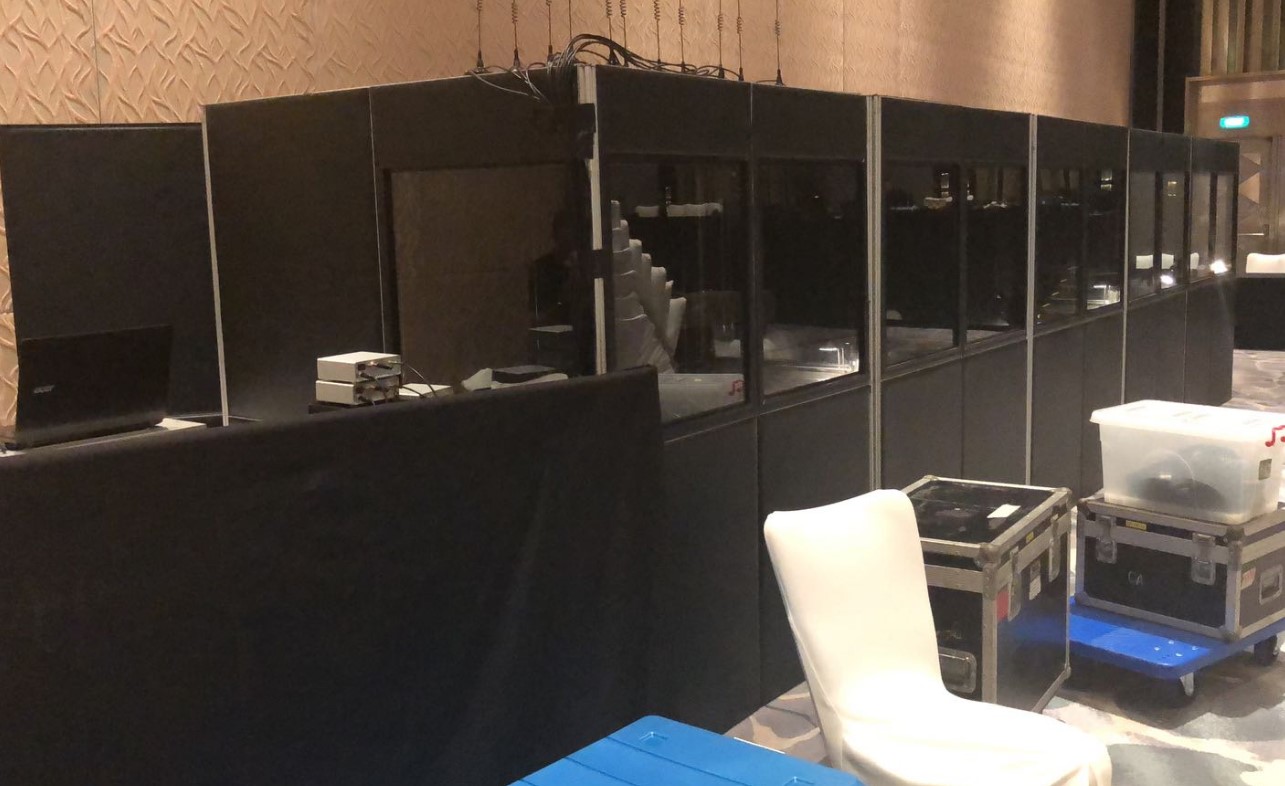
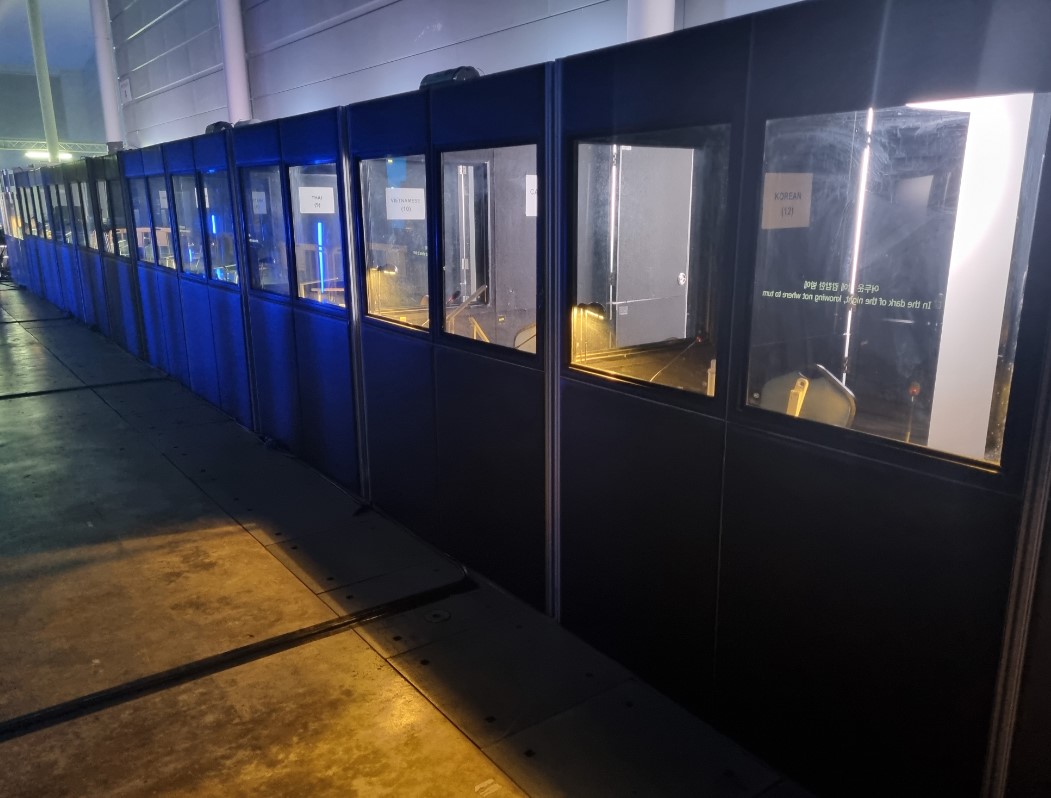
- Interpreting Equipment: This includes microphones, headsets, and interpreter consoles, critical for providing high-quality interpretation during conferences. Knowledge of how to operate these devices efficiently ensures smooth communication.
- Terminology Management: Interpreters often work in specialized fields with specific jargon. Familiarity with terminology relevant to different industries, such as medical, legal, or technical, is crucial for accurate interpretation. This is particularly important when dealing with conference interpretation for different industries.
4. Interpersonal Skills
Interpersonal skills are equally important in the realm of conference interpretation. Interpreters must work well in diverse environments and manage relationships with colleagues, clients, and audiences:
- Effective Communication and Active Listening: Interpreters need to actively listen to words, tone, intent, and context, which all contribute to the accurate delivery of messages.
- Team Collaboration: Conference interpreting often involves working with a team of interpreters, technical staff, and event coordinators. The ability to collaborate effectively ensures a cohesive interpretation experience for the audience.
- Professionalism Under Pressure: Conferences can be high-stress environments, mainly when dealing with technical difficulties or sensitive topics. Maintaining composure and delivering consistent quality under pressure is a hallmark of a seasoned interpreter.
Qualifications of Conference Interpreters
Conference interpreters are not just linguists; they are highly trained professionals with specific qualifications that set them apart. These qualifications are crucial to meet the varied and demanding needs of multilingual conferences.
1. Educational Background
A solid educational foundation is vital for aspiring interpreters. Qualifications include:
- Degree or Diploma in Conference Interpreting: Formal education in interpreting provides a strong base, covering both theoretical aspects and practical skills necessary for conference settings.
- Accredited Training Programs: Participation in accredited training programs helps interpreters gain hands-on experience in real-world scenarios, preparing them for the dynamic nature of conference interpretation.
2. Practical Experience
Experience is invaluable in the field of conference interpretation. It equips interpreters with the ability to handle the unpredictable nature of live events:
- Diverse Conference Settings: Experience in various conference types—such as business, academic, diplomatic, or international—allows interpreters to adapt their skills to different audiences and subject matters.
- Track Record of Successful Assignments: A demonstrated history of effective interpretation across diverse settings is often a key factor in hiring decisions.
3. Certification
Certification ensures that interpreters meet industry standards and are committed to their profession:
- Certification from Recognized Organizations: Certificates from bodies such as AIIC (International Association of Conference Interpreters) or national interpreting associations validate the interpreter’s skills and adherence to professional standards.
- Commitment to Continuing Professional Development: The field of conference interpretation evolves constantly, with new technologies and methodologies. Ongoing education and training are crucial for staying current and enhancing one’s skill set.
Professional Conduct of Conference Interpreting Services
Maintaining high standards of professional conduct is essential for delivering top-quality interpreting services. This involves adhering to ethical guidelines and demonstrating a professional attitude in every aspect of work.
1. Confidentiality
Interpreters often handle sensitive information during conferences. Upholding confidentiality is a critical component of professional integrity, ensuring that all interpreted information remains secure and private.
2. Impartiality
An interpreter must maintain neutrality, providing an unbiased and accurate interpretation regardless of personal opinions or external influences. This is particularly important in settings where interpretation can influence decision-making.
3. Ethics
High ethical standards are at the core of the interpreting profession. This includes honesty, integrity, and a commitment to providing the best possible service to all participants, regardless of the complexity or sensitivity of the subject matter.
The Role of Cultural Sensitivity in Conference Interpretation
Cultural sensitivity is an often overlooked but critical aspect of effective conference interpretation. Interpreters must be aware of the cultural contexts of the languages they work with, as cultural misinterpretations can lead to misunderstandings or offense.
Understanding cultural differences allows interpreters to adjust their language and delivery to suit the audience, ensuring that messages are not only linguistically accurate but also culturally appropriate. This skill is especially important in international conferences where attendees come from diverse backgrounds, requiring interpreters to navigate various social norms, etiquette, and communication styles.
Conference Interpretation across Different Industries
Conference interpretation services must adapt to the specific needs of various industries. Whether interpreting in healthcare, law, technology, or international business, each field has its unique challenges and requirements.
- Healthcare Conferences: Medical terminology, patient rights, and ethical considerations require interpreters to have specialized knowledge and a deep understanding of medical protocols.
- Legal Conferences: Precision and accuracy are crucial in legal interpretation, as even minor errors can have significant legal consequences.
- Technology Conferences: Technical jargon and rapidly evolving content demand interpreters who are up-to-date with the latest industry trends and terminologies.
Conference Interpretation Summary
Adhering to the ISO 23155 (2022) standard guarantees that conference interpreters deliver exceptional service, fostering effective communication across languages and cultures. At Globibo, our team is dedicated to meeting the unique needs of every conference setting. We understand the importance of having interpreters who are not only linguistically skilled but also technically proficient, culturally sensitive, and professionally qualified to manage the complexities of modern conference interpretation.