


Navigating Multilingual Challenges in International Conferences
In today’s globalized world, international conferences serve as essential platforms for dialogue, collaboration, and knowledge sharing across borders. However, these gatherings often present a multitude of linguistic and cultural challenges that can hinder effective communication among participants. The role of a conference interpreter becomes crucial in addressing these challenges, ensuring that all voices are heard and understood. This article explores the complexities of navigating multilingual challenges in international conferences and offers strategies to enhance communication efficacy.
Understanding Multilingual Challenges
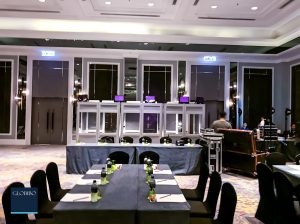 Multilingual challenges in international conferences arise from various factors, including linguistic diversity, cultural differences, and the varying levels of language proficiency among attendees. These challenges can lead to misunderstandings, misinterpretations, and even conflict if not adequately managed. The following sections outline the key challenges faced in multilingual settings.
Key Challenges in Multilingual Conferences
- Language Diversity: Conferences often attract participants from different linguistic backgrounds, leading to a wide array of languages being spoken. This diversity requires comprehensive interpreting services to ensure effective communication.
- Cultural Nuances: Languages are embedded with cultural references, idiomatic expressions, and contextual meanings that may not translate directly. Interpreters must possess a deep understanding of both the source and target cultures to convey messages accurately.
- Varying Proficiency Levels: Attendees may have differing levels of proficiency in the conference’s primary languages, complicating the interpretation process. Some participants may struggle to understand complex terminology or rapid speech, leading to potential information gaps.
- Technical Terminology: Many conferences focus on specialized topics that involve jargon or technical language. A lack of familiarity with specific terms can create barriers to understanding.
- Interpersonal Dynamics: Multilingual settings can create challenges related to interpersonal communication styles, leading to potential misunderstandings or conflicts among participants from different cultural backgrounds.
The Role of Conference Interpreters
Conference interpreters are trained professionals who facilitate communication among multilingual participants. Their primary responsibility is to ensure that all attendees can engage meaningfully in discussions, regardless of their language proficiency. To achieve this, interpreters must possess various key skills and competencies.
Essential Skills of a Conference Interpreter
- Linguistic Proficiency: Interpreters must be fluent in multiple languages, possessing advanced knowledge of vocabulary, grammar, and syntax.
- Cultural Competence: An understanding of cultural nuances, idioms, and non-verbal communication is critical for accurate interpretation.
- Technical Knowledge: Familiarity with the subject matter being discussed is essential, particularly for specialized topics that require technical terminology.
- Active Listening: Interpreters must be skilled listeners, capable of processing information quickly and accurately while remaining focused on the speaker’s intent.
- Adaptability: The ability to adapt to different speaking styles, tones, and contexts is crucial for effective conference interpretation.
Training and Certification for Conference Interpreters
Conference interpreters typically undergo rigorous training and certification processes to hone their skills. This training may include:
- Language Studies: Intensive language courses to achieve fluency in multiple languages.
- Cultural Studies: Understanding cultural contexts and communication styles relevant to the languages they interpret.
- Interpreting Techniques: Learning various conference interpreting methods, including simultaneous, consecutive, and remote interpreting.
- Technical Proficiency: Familiarization with interpreting equipment, technology, and relevant software.
Strategies for Navigating Multilingual Challenges
To effectively navigate multilingual challenges in international conferences, organizations and interpreters must implement various strategies to enhance communication. The following sections detail these strategies.
Pre-Conference Preparation
- Language Needs Assessment: Prior to the conference, organizers should assess the linguistic needs of attendees to determine the required languages for interpretation. This assessment can be conducted through surveys or registration forms.
- Terminology Development: Creating a glossary of key terms and phrases related to the conference topic can help interpreters prepare for specialized language and terminology.
- Cultural Briefings: Providing interpreters with cultural briefings about the backgrounds of participants can enhance their understanding and improve interpretation accuracy.
- Technical Rehearsals: Conducting rehearsals of the conference program can help interpreters familiarize themselves with the content, pacing, and speakers’ styles.
During the Conference
- Effective Use of Technology: Leveraging technology, such as remote interpreting platforms and audio-visual equipment, can facilitate communication among participants and enhance interpretation quality.
- Encouraging Engagement: Organizers should encourage participants to speak clearly, use straightforward language, and avoid overly complex terminology to improve understanding.
- Real-Time Feedback: Interpreters should provide real-time feedback to speakers regarding their pace and clarity. If necessary, they can request pauses or clarifications to ensure accurate interpretation.
- Facilitating Interaction: Organizers can create opportunities for interaction, such as Q&A sessions or group discussions, allowing participants to engage in meaningful dialogue.
Learn here How to Choose the Right Conference Interpreter for Your Event.
Post-Conference Follow-Up
- Feedback Collection: Gathering feedback from participants regarding the interpretation services can provide valuable insights for future conferences and help improve processes.
- Debriefing Sessions: Conducting debriefing sessions with interpreters can help identify challenges faced during the conference and discuss potential solutions for future events.
- Continuous Improvement: Using participant feedback and debriefing insights, organizers can refine their strategies for managing multilingual challenges in subsequent conferences.
Common Multilingual Challenges and Corresponding Strategies
| Challenge | Strategy |
| Language Diversity | Conduct a language needs assessment prior to the event |
| Cultural Nuances | Provide cultural briefings for interpreters |
| Varying Proficiency Levels | Encourage speakers to use clear and straightforward language |
| Technical Terminology | Develop a glossary of key terms related to the topic |
| Interpersonal Dynamics | Foster an inclusive environment for open dialogue |
Key Factors for Successful Multilingual Conference Interpretation
- Thorough Preparation: Adequate preparation, including language needs assessment and terminology development, sets the foundation for successful interpretation.
- Skilled Interpreters: Engaging qualified and experienced conference interpreters ensures effective communication.
- Technology Utilization: Leveraging technology for remote interpretation and audio-visual support enhances communication quality.
- Participant Engagement: Encouraging clear communication and interaction among participants fosters a conducive environment for effective interpretation.
- Continuous Feedback: Implementing feedback mechanisms allows for ongoing improvements in interpretation practices.
Best Practices for Enhancing Multilingual Communication
- Define Clear Objectives: Establish clear communication objectives for the conference to guide interpreters and participants.
- Utilize Visual Aids: Incorporate visual aids, such as slides and handouts, to support verbal communication and enhance understanding.
- Provide Additional Resources: Distribute materials in multiple languages to support participants in their engagement with the content.
- Foster a Supportive Environment: Encourage an atmosphere of respect and understanding among participants to facilitate effective communication.
- Evaluate Outcomes: Conduct evaluations post-conference to assess the effectiveness of interpretation services and identify areas for improvement.
Summary of Challenges in International Conferences
Navigating multilingual challenges in international conferences requires a multifaceted approach that emphasizes thorough preparation, effective use of technology in Modern Conference Interpreting, and continuous engagement with participants. The role of a conference interpreter is pivotal in bridging linguistic gaps and ensuring that all attendees can participate fully in discussions. By implementing the strategies outlined in this article, organizations can enhance communication efficacy, foster understanding, and create a more inclusive environment for all participants. As international conferences continue to grow in significance, addressing multilingual challenges will remain an essential component of successful event management.

Susan has extensive experience in conference interpretation, simultaneous interpretation services, document localization for governmental and legal needs. Her work with embassies and government agencies ensures that documents meet specific regional requirements, making her expertise invaluable for international clients.
YouTube Videos on Challenges in International Conferences
Academic References for Challenges in International Conferences
- Between multilingual ethos and English pathos: how do multilingual scholars navigate international academia?
- [BOOK] Translating into Success: Cutting-edge strategies for going multilingual in a global age
- [BOOK] Navigating the multilingual field
- Helping Nsu’S Multilingual and International Students Overcome Language Limitations: A Recommendation Report
- Transient multilingual communities as a field of investigation: Challenges and opportunities
- Publishing in and about English: Challenges and opportunities of Chinese multilingual scholars’ language practices in academic publishing
- ERRORS IN REAL-TIME TRANSLATION DURING INTERNATIONAL CONFERENCES AND PUBLIC POLITICAL ADDRESSES
- “I Had so Many Conflicts in My Mind”: Navigating the doctoral journey across languages and cultures
- Spatial repertoires in the disciplinary communication of international STEM scholars
- Language as a tool for intercultural understanding: Multilingual approaches in global citizenship education


