Ethical Challenges for Korean Interpreters
In the rapidly evolving landscape of global communication, the role of interpreters has become increasingly significant. This is especially true for Korean interpreters, who facilitate communication across language barriers in various fields, including business and diplomacy, healthcare, and legal contexts. However, with this pivotal role comes a range of ethical challenges that interpreters must navigate, particularly concerning neutrality and confidentiality. This article examines the ethical dilemmas faced by Korean interpreters, explores the importance of maintaining neutrality and confidentiality, and provides guidance on best practices for ethical interpretation.
The Role of Korean Interpreters
Korean interpreters serve as crucial mediators in conversations where language differences exist. Their responsibilities extend beyond mere translation; they also encompass cultural interpretation, contextual understanding, and effective communication facilitation. The complexity of their role demands a high level of professionalism and ethical standards, particularly in sensitive environments.
Key Areas of Interpretation
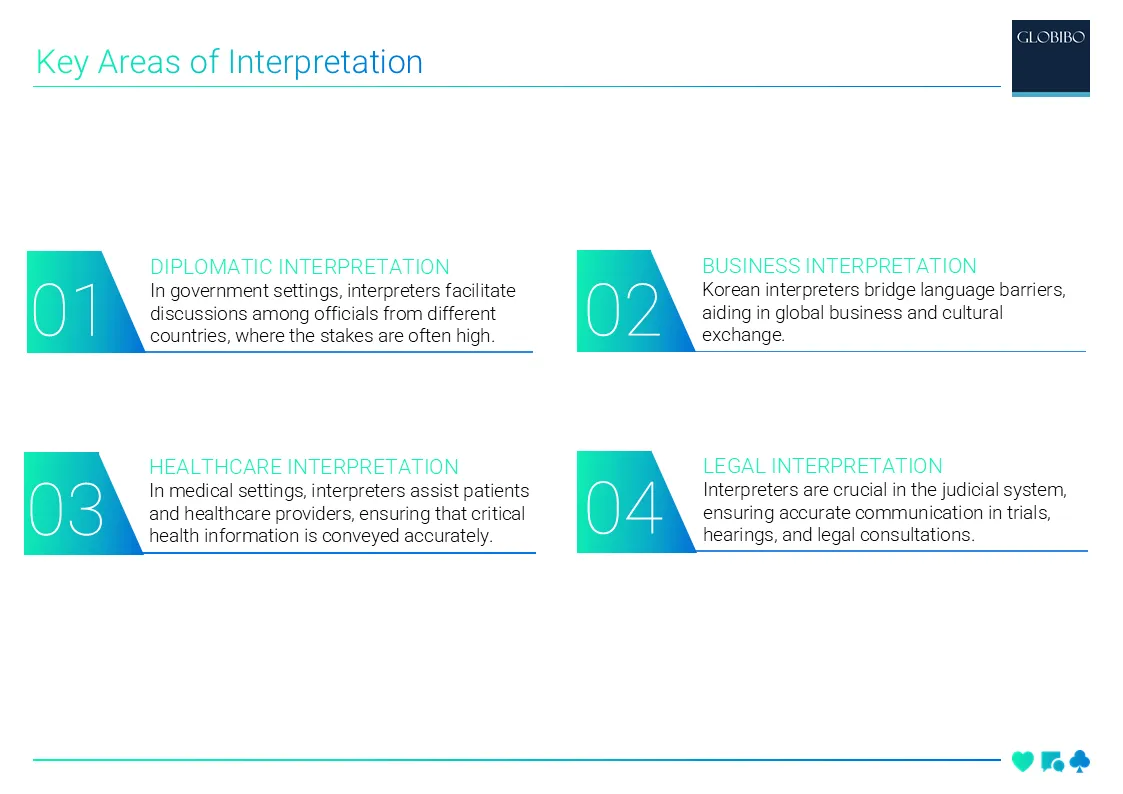
 Diplomatic Interpretation: In government settings, interpreters facilitate discussions among officials from different countries, where the stakes are often high.
- Business Interpretation: As Korean companies expand globally, interpreters help in negotiations, presentations, and meetings, ensuring that all parties understand the terms and implications.
- Healthcare Interpretation: In medical settings, interpreters assist patients and healthcare providers, ensuring that critical health information is conveyed accurately.
- Legal Interpretation: In the judicial system, interpreters play a vital role in trials, hearings, and legal consultations, where misinterpretations can have serious consequences.
 Diplomatic Interpretation
Click here to learn about How Korean Interpreters Support International Business Negotiations and The Growing Demand for Korean Interpreters in Medical and Legal Settings.
Ethical Challenges Faced by Korean Interpreters
1. Maintaining Neutrality
Neutrality is a cornerstone of ethical Korean interpretation. Interpreters must convey messages without adding their own opinions or biases, ensuring that all parties receive an accurate representation of what is being said.
Challenges to Neutrality

- Personal Biases: Interpreters may have personal beliefs or biases that can inadvertently influence their work. Recognizing and managing these biases is critical for maintaining objectivity.
- Power Dynamics: Situations where there is a significant power imbalance—such as between a healthcare provider and a patient—can pose challenges. Interpreters must navigate these dynamics carefully to avoid advocating for one party over another.
- Cultural Sensitivity: Cultural contexts can vary widely, and interpreters must be cautious not to allow their own cultural perspectives to influence their interpretations. This requires a deep understanding of both cultures involved in the conversation.
2. Ensuring Confidentiality
Confidentiality is another vital ethical obligation for interpreters. They often handle sensitive information that, if disclosed, could harm individuals or organizations.
Challenges to Confidentiality

- Sensitive Information: Interpreters may be privy to personal medical histories, legal matters, or confidential business strategies. Maintaining the confidentiality of such information is paramount.
- Social Media and Technology: The rise of digital communication has made it easier to inadvertently breach confidentiality. Interpreters must be vigilant about how they share information online or through social media.
- Collaborative Environments: In settings where multiple interpreters work together, the risk of breaching confidentiality increases. Interpreters must take care to uphold confidentiality standards in these collaborative settings.
Click here to learn about Key Skills Every Korean Interpreter Should Master and Challenges and Solutions for Korean Interpreters in Various Settings.
Best Practices for Ethical Interpretation
Maintaining Neutrality
- Self-Awareness:
- Interpreters should engage in regular self-reflection to recognize their biases and perspectives. This can involve maintaining a journal or participating in peer discussions about ethical dilemmas encountered in their work.
- Clear Boundaries:
- Establishing clear professional boundaries is essential. Interpreters should refrain from sharing personal opinions or becoming involved in the content of the discussion.
- Cultural Training:
- Continuous cultural competency training can help interpreters understand the dynamics at play in various contexts. This understanding is vital for remaining neutral.
Ensuring Confidentiality
- Non-Disclosure Agreements (NDAs):
- Signing NDAs before engaging in interpretation work can formalize the commitment to confidentiality and clarify the expectations for handling sensitive information.
- Secure Communication Channels:
- Interpreters should use secure platforms for any communication related to their work, particularly when discussing confidential matters.
- Clear Client Communication:
- Interpreters should discuss confidentiality expectations with clients before commencing work, ensuring that all parties understand the importance of confidentiality.
Key Ethical Principles for Korean Interpreters
| Ethical Principle | Description |
| Neutrality | Interpreters must convey messages impartially, without adding personal opinions or biases. |
| Confidentiality | Protecting sensitive information from unauthorized disclosure is paramount. |
| Cultural Sensitivity | Understanding and respecting cultural differences is essential for accurate interpretations. |
| Professionalism | Upholding ethical standards and professionalism in all interpreting contexts is critical. |
| Continuous Learning | Engaging in ongoing education and training to stay updated on best practices in interpretation. |
Strategies for Maintaining Ethical Standards
- Ethical Guidelines:
- Familiarize yourself with the ethical guidelines set forth by professional associations, such as the Korean Association of Translators and Interpreters (KATI).
- Peer Support Groups:
- Join or create peer support groups where interpreters can discuss ethical challenges and share strategies for navigating these issues.
- Regular Training:
- Participate in regular training sessions focused on ethics in interpretation, including workshops on neutrality and confidentiality.
- Feedback Mechanisms:
- Establish a system for receiving feedback from clients and peers regarding ethical practices and potential areas for improvement.
- Mentorship Programs:
- Engage in mentorship programs to learn from experienced interpreters about handling ethical challenges in various contexts.
Future Considerations for Korean Interpreters

Evolving Ethical Standards
As the field of interpretation continues to grow and evolve, ethical standards must also adapt to reflect new challenges and technologies. Korean interpreters will need to stay abreast of changes in ethical guidelines and best practices.
The Impact of Technology
The integration of technology into interpretation practices introduces both opportunities and challenges. Interpreters must develop new skills to navigate digital platforms while also maintaining ethical standards related to confidentiality and neutrality.
Cultural Shifts and Globalization
As Korea continues to play a more significant role in global affairs, the need for Korean interpreters will grow. Interpreters must remain culturally competent and aware of the nuances involved in international communication, particularly as cultural perspectives continue to shift.
Summary of Korean Interpreters
The role of the Korean interpreter is critical in facilitating communication across diverse contexts, but it comes with a set of ethical challenges that must be navigated with care. Maintaining neutrality and confidentiality is not merely a matter of professional obligation; it is essential for building trust and ensuring effective communication.
By adhering to ethical principles, engaging in continuous education, and developing strategies to address challenges, Korean interpreters can uphold the integrity of their profession. As the landscape of interpretation continues to evolve, it is crucial for interpreters to remain vigilant in their ethical commitments, ensuring that they serve as effective mediators in an increasingly interconnected world.

Susan has extensive experience in conference interpretation, simultaneous interpretation, and Consecutive Interpretation services, document localization for governmental and legal needs. Her work with embassies and government agencies ensures that documents meet specific regional requirements, making her expertise invaluable for international clients.
YouTube Videos on Korean Interpreters
Academic references for Korean Interpreters
- Translating and interpreting in conflict and crisis
- High-stakes interviews and rapport development: Practitioners’ perceptions of interpreter impact
- Communication through interpreters in healthcare: ethical dilemmas arising from differences in class, culture, language, and power
- Interpreters at war: Testing boundaries of neutrality
- A case study of interpreter-mediated witness statement: Police interpreting in South Korea
- Validating professional standards and codes: Challenges and opportunities
- Navigating the Gray Zone: When Interpreters Become Mediators and Communication Facilitators
- To act or not to act: Interpreters‘ dilemmas and choices in aged care assessments of elderly migrants
- [PDF] From suspicion to collaboration: Defining new epistemologies of reflexive practice for legal translation and interpreting
- [BOOK] Language into language: Cultural, legal and linguistic issues for interpreters and translators