Simultaneous Interpretation in Different Contexts
Simultaneous interpretation (SI) is a specialized skill that allows interpreters to translate spoken language in real-time, enabling seamless communication in multilingual environments. This article explores the application of simultaneous interpretation across various contexts, including conferences, legal settings, medical environments, and diplomatic situations. Understanding the unique requirements and challenges associated with each context is crucial for ensuring effective interpretation.
Overview of Simultaneous Interpretation
Simultaneous interpretation involves interpreting spoken language as it is being delivered, typically using specialized equipment such as headsets and microphones. This method allows audiences to receive the interpretation in real-time, making it particularly effective in settings where timely communication is essential.
Key Characteristics of Simultaneous Interpretation
- Real-Time Processing: Interpreters must listen, comprehend, and translate speech almost instantaneously.
- Multitasking: The process requires simultaneous listening, understanding, translating, and speaking.
- Technological Integration: Effective SI relies on sophisticated audio-visual equipment to ensure clear communication.
Applications of Simultaneous Interpretation
Conferences
Overview
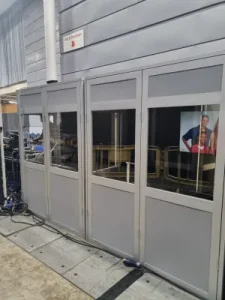 Conferences often bring together participants from diverse linguistic backgrounds, necessitating effective communication. Simultaneous interpretation facilitates the exchange of ideas and information, allowing participants to engage in discussions without language barriers.
Key Requirements
- Equipment: Conference interpreters typically use headsets and microphones within soundproof booths to minimize external noise and ensure clarity.
- Preparation: Interpreters must familiarize themselves with the conference agenda, speakers, and relevant terminology to enhance their performance.
- Team Coordination: Interpreting teams often work in pairs, allowing for breaks and ensuring a consistent quality of interpretation.
Key Considerations for Conference Interpretation
| Consideration | Description |
| Equipment | High-quality microphones, headsets, and booths. |
| Preparation | Researching topics and speakers prior to the event. |
| Team Coordination | Working in pairs to manage workload and fatigue. |
| Audience Engagement | Understanding audience needs and adjusting accordingly. |
Legal Settings
Overview
In legal contexts, simultaneous interpretation is crucial for ensuring that all parties can understand proceedings accurately. This includes court hearings, depositions, and arbitration sessions.
Key Requirements
- Legal Terminology: Interpreters must possess a strong command of legal jargon and concepts in both the source and target languages.
- Confidentiality: Interpreters are bound by strict confidentiality agreements, requiring them to handle sensitive information with care.
- Cultural Competence: A deep understanding of the cultural and legal nuances of both languages is essential for accurate interpretation.
Key Requirements for Legal Interpretation
| Requirement | Description |
| Legal Knowledge | Familiarity with legal terminology and processes. |
| Confidentiality Standards | Adherence to strict confidentiality and ethics. |
| Cultural Competence | Understanding of cultural nuances in legal contexts. |
| Accuracy and Clarity | Ensuring precise and clear communication. |
Medical Settings
Overview
In medical environments, simultaneous interpretation facilitates effective communication between healthcare providers and patients from different linguistic backgrounds. Accurate interpretation is vital for patient safety and quality of care.
Key Requirements
- Medical Terminology: Interpreters must be proficient in medical jargon and common healthcare practices.
- Patient-Centered Care: Interpreters should prioritize the needs of patients, ensuring they fully understand their medical conditions and treatment options.
- Sensitivity: Interpreters must navigate potentially sensitive topics, requiring empathy and cultural awareness.
Diplomatic Settings
Overview
Simultaneous interpretation is often employed in diplomatic meetings, negotiations, and international summits. Clear and accurate communication is essential for building relationships and achieving diplomatic objectives.
Key Requirements
- Cultural Awareness: Interpreters must be sensitive to the cultural contexts of the participating nations.
- Political Acumen: Understanding the political climate and nuances can impact interpretation and communication.
- Flexibility: Interpreters should be able to adapt to varying speech styles and contexts, from formal discussions to informal exchanges.
Click here to learn about Technological Innovations in Simultaneous Interpretation and The Role of Simultaneous Interpretation in Global Communication.
Challenges in Simultaneous Interpretation
A. Cognitive Load
Simultaneous interpretation places significant cognitive demands on interpreters, requiring them to manage multiple tasks concurrently:
- Listening and Comprehension: Interpreters must fully understand the source language while formulating a response in the target language.
- Memory Management: Effective SI relies on both short-term and long-term memory to recall relevant vocabulary and context.
B. Stress Management
The high-pressure nature of simultaneous interpretation can lead to stress and fatigue:
- Long Hours: Interpreters may work for extended periods, leading to mental exhaustion.
- Technical Issues: Equipment malfunctions can disrupt the flow of interpretation and increase stress levels.
C. Cultural and Contextual Nuances
Interpreters must navigate cultural and contextual differences that may impact communication:
- Idiomatic Expressions: Cultural idioms may not have direct translations, requiring interpreters to find equivalent phrases in the target language.
- Contextual Understanding: Interpreters must grasp the context of the discussion to provide accurate interpretations.
Best Practices for Effective Simultaneous Interpretation
- Comprehensive Preparation
- Conduct thorough research on the subject matter, speakers, and relevant terminology to enhance confidence and accuracy in simultaneous interpretation.
- Team Collaboration
- Work closely with interpreting partners to manage workload, share insights, and provide support during high-pressure situations.
- Utilization of Technology
- Ensure that interpreting equipment is functioning properly and is of high quality to minimize technical issues and enhance clarity.
- Stress Management Techniques
- Engage in mindfulness practices, physical exercise, and adequate breaks to reduce stress and maintain cognitive function.
- Ongoing Training and Development
- Pursue continuous learning opportunities to stay updated on industry trends, language developments, and best practices.
Learn about Technical Requirements for Effective Simultaneous Interpretation.
Summary of Simultaneous Interpretation
Simultaneous interpretation is an essential service that facilitates effective communication across various contexts, from conferences to legal settings. Understanding the unique requirements and challenges of each environment allows interpreters to provide accurate and effective interpretation, ensuring that all parties can engage meaningfully in discussions.
As globalization continues to expand, the demand for skilled simultaneous interpreters will only increase. Investing in training, preparation, and stress management strategies is crucial for enhancing the quality of interpretation and supporting interpreters’ well-being in this demanding profession. By adopting best practices and leveraging technology, interpreters can navigate the complexities of simultaneous interpretation and contribute to successful outcomes in multilingual settings.
YouTube Videos on Effective Simultaneous Interpretation
Academic references for Simultaneous Interpretation
- [PDF] Interpreting in legal contexts
- Simultaneous and consecutive interpreting (non-conference settings)
- [HTML] Consecutive or simultaneous? An analysis of their use in the judicial setting
- Consecutive and simultaneous interpreting
- Quality in Simultaneous Conference Interpreting: A Prospective Perspective
- [PDF] Interpreting proper names: Different interventions in simultaneous and consecutive interpreting
- The effect of interpreting modes on witness credibility assessments
- Interpreting in the 21st century: challenges and opportunities: selected papers from the 1st Forlì Conference on Interpreting Studies, 9-11 November 2000
- Simultaneous dialogue interpreting: Coordinating interaction in interpreter-mediated football press conferences
- Just interpreting: Role conflicts and discourse types in court interpreting

Susan has extensive experience in conference interpretation, simultaneous interpretation services, document localization for governmental and legal needs. Her work with embassies and government agencies ensures that documents meet specific regional requirements, making her expertise invaluable for international clients.