Why Hiring a Vietnamese Interpreter is Essential for Effective Communication
In today’s interconnected world, language is a powerful tool that can either facilitate communication or act as a significant barrier. As businesses and organizations look to expand into foreign markets or engage with international clients, the importance of hiring interpreters cannot be overstated. This holds especially true when dealing with languages that possess a unique structure and tonal quality, such as Vietnamese. Given the complexity of Vietnamese, its distinct phonetic qualities, and the cultural nuances embedded within the language, hiring a professional Vietnamese interpreter becomes not just a luxury but a necessity for effective communication.
This article explores why hiring a Vietnamese interpreter is essential, highlighting the importance of language proficiency, cultural sensitivity, and technological support in facilitating smooth and effective communication in various fields. Furthermore, it covers the benefits of having a large linguist network, superior interpreter selection, and the advanced technologies employed in modern interpretation services, with an emphasis on ensuring that the key aspects of the communication process are fully optimized.
The Importance of Hiring a Vietnamese Interpreter
Communication is the cornerstone of all human interaction, whether in social, professional, or diplomatic contexts. However, communication becomes significantly more challenging when there is a language barrier. In this article, we’ll dive into the multifaceted reasons why hiring a Vietnamese interpreter is essential for accurate, clear, and effective communication in both business and personal settings.
1. Ensuring Accurate and Clear Communication
 Language is more than just a tool to express ideas; it is a conduit for the exchange of knowledge, culture, and intent. In any professional context, whether business negotiations, legal discussions, medical appointments, or international collaborations, the accuracy of communication is critical. Misunderstandings can lead to significant risks, including financial loss, legal issues, misdiagnosis, or damaged professional relationships.
The Vietnamese language, like many others, has complex structures and a tonal nature, meaning the same word can have different meanings based on the tone used. Additionally, Vietnamese has a variety of dialects (such as Northern, Central, and Southern Vietnamese) that can vary greatly in pronunciation, vocabulary, and expressions. This linguistic diversity can create challenges for non-native speakers who lack an understanding of these nuances. A professional interpreter, who is fluent in both the source and target languages, ensures that every message is translated with the utmost precision.
For example, a business meeting involving a negotiation of terms for a joint venture may hinge on the accurate translation of key financial terms. If an interpreter misinterprets the term “return on investment” (ROI) into a vague or incorrect equivalent, this can lead to major confusion or disagreements down the line.
2. Facilitating Cross-Cultural Understanding
Effective communication is not simply about translating words; it is about understanding the cultural context in which those words are spoken. The Vietnamese language is deeply intertwined with cultural norms, traditions, and societal expectations. Certain expressions or ways of speaking may have specific meanings in Vietnam, making it essential for interpreters to not only understand the language but also the culture and context behind it.
Cultural sensitivity is especially important when dealing with professional settings. For example, in Vietnam, the way someone addresses another person reflects their social status, and using the wrong level of formality can be seen as disrespectful. A professional interpreter will ensure that these subtleties are accurately conveyed, respecting both the linguistic and cultural context. Without a culturally aware interpreter, one might unintentionally offend or misunderstand the intentions of the speaker.
3. Supporting Legal, Medical, and Business Communication
In specific industries such as law, medicine, and business, the importance of precision and expertise in interpretation cannot be overstated. A Vietnamese interpreter plays a pivotal role in ensuring that legal documents, medical prescriptions, or business contracts are accurately translated.
- Legal Interpreting: Legal documents such as contracts, agreements, and court proceedings require precise translation. The stakes in legal matters are high, and any misinterpretation could lead to disputes or legal action. In addition to linguistic accuracy, legal Interpreting must understand the legal terminology and framework in both languages to ensure proper understanding.
- Medical Interpreting: In healthcare, clear communication between patients and healthcare providers is essential. Medical interpreters help bridge the gap between patients who speak Vietnamese and healthcare providers. A misinterpreted symptom, diagnosis, or treatment could have grave consequences. The cultural context is also vital, as health practices may differ across regions.
- Business Interpreting: In international business, interpreters help translate not just language but also business strategies, corporate policies, and negotiation tactics. This allows businesses to establish meaningful partnerships, comply with regulations, and communicate effectively with stakeholders from different countries.
4. Building Trust and Positive Relationships
The act of hiring an interpreter also demonstrates a commitment to cross-cultural communication and respect. When one takes the effort to engage with another language and culture, it fosters trust and respect. Especially in business dealings, showing that you have gone the extra mile to ensure clear communication through a professional Vietnamese interpreter establishes a foundation for long-term relationships.
A miscommunication could lead to misunderstandings that might harm relationships. In contrast, a professional interpreter can bridge the cultural and linguistic divide, enhancing relationships by fostering mutual respect.
Largest Own Equipment & Linguist Network
A highly effective Vietnamese interpretation service depends on a combination of experienced interpreters and the right equipment. When engaging professional Vietnamese interpreters, organizations often leverage the largest linguist networks and cutting-edge interpretation technologies available.
1. Linguist Network
A large linguist network means access to a diverse group of interpreters who are experts in specific fields. These linguists are trained not only in the Vietnamese language but also in the technical vocabulary required in different industries. Whether it’s for a medical, business, or legal context, interpreters with subject-matter expertise ensure that the translated material is accurate and relevant.
Advantages of a Robust Linguist Network
- Specialization: Interpreters with expertise in a particular industry (medical, legal, etc.) provide accurate and context-specific translations.
- Capacity: A large network allows businesses to scale up interpretation services for large events or handle multiple events simultaneously.
- Availability: A wide network ensures that interpreters are available for last-minute assignments or events in different locations.
2. Technology and Equipment for Interpretation
Modern interpretation requires advanced technology to ensure smooth communication, particularly in large-scale events or hybrid meetings where participants may be located in various parts of the world.
Key Technologies in Interpretation
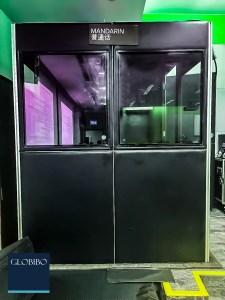
- Simultaneous Interpretation: This technology allows interpreters to translate speech in real time, which is crucial for conferences, diplomatic meetings, or large-scale business events. Participants can hear the translation through headphones while the speaker continues without interruption.
- Remote Interpretation Platforms: In hybrid events, interpreters often work remotely. Platforms such as remote interpretation tools integrate with video conferencing software, enabling interpreters to participate virtually while ensuring clear communication.
- Digital Audio Systems: These systems ensure that all participants in a meeting hear the translation clearly and without interference. This is especially critical in multi-language meetings or conferences.
| Technology Type | Function | Benefit |
| Simultaneous Interpretation | Real-time translation during meetings or events | Minimizes delays and maximizes understanding |
| Remote Interpretation Platforms | Virtual interpretation via online platforms | Scalable, flexible, and suitable for remote engagements |
| Digital Audio Systems | Audio support for clear communication | Ensures quality transmission during discussions |
Superior Selection, Preparation & Support
The effectiveness of interpretation services is not just about the skill of the interpreter, but also the process behind their selection, preparation, and the support systems in place. These elements ensure that the interpreter is not only qualified but also ready to deliver high-quality services.
1. Interpreter Selection Process
The selection process for a professional Vietnamese interpreter is rigorous. Language fluency is not enough on its own. Interpreters must have specific skills and qualifications, which typically include:
- Certification: Many professional interpreters hold certifications from recognized language institutions, ensuring that they are qualified and meet industry standards.
- Specialization: Interpreters are chosen based on their expertise in certain fields such as law, medicine, finance, or business. This ensures that the interpreter is knowledgeable about the specific terminology used in that sector.
- Cultural Competence: The best interpreters are those who understand the cultural nuances that come with the language. They must know how the language is used in various contexts and the subtleties of speech in different regions of Vietnam.
2. Preparation for Interpretation Sessions
Effective interpretation goes beyond just being fluent in both languages. The interpreter must be well-prepared for the specific content of the event. Preparation includes:
- Pre-Session Material Review: Interpreters typically review all relevant documents, presentations, and scripts before the event to become familiar with the subject matter.
- Client Consultations: Professional interpreters often meet with clients beforehand to understand their goals, clarify terminology, and make sure there is alignment regarding expectations.
- Glossary Creation: Some interpreters create a glossary of terms that may come up during the session, ensuring consistency throughout the interpretation.
3. Support Systems
Once the session begins, support systems are critical. This can include:
- Technical Support: For virtual and hybrid events, ensuring that all technical aspects of the event are in place (platform setup, audio quality, etc.) is essential.
- On-the-Ground Support: For in-person events, technical support may include equipment setup and on-site troubleshooting to ensure that everything runs smoothly.
Read here about The Growing Demand for Vietnamese Interpreters in Global Marketsand The Life of a Vietnamese Interpreter .
Advanced Tech for Hybrid Participant & Linguist Operation
The rise of hybrid meetings, where some participants are in-person and others join remotely, presents unique challenges for interpreters. Advanced technology plays a significant role in bridging the gap between remote and in-person participants and ensuring smooth communication across platforms.
1. Hybrid Event Setup and Interpretation
Hybrid events require specialized platforms and tools to ensure that interpretation services are provided seamlessly to both virtual and in-person participants. These platforms should support:
- Multiple Channels: Hybrid events often have multiple channels for different languages, and each participant must have access to the appropriate language channel.
- Audio/Video Sync: Ensuring that the interpretation is synchronized with the speaker’s voice is critical for clarity.
2. AI and Machine Learning in Interpretation
While AI cannot yet fully replace human interpreters, it can enhance the quality of interpretation services. Some AI tools provide:
- Real-Time Transcription: These tools convert spoken language into text instantly, aiding interpreters in delivering more accurate translations.
- Speech Recognition: Machine learning models improve the accuracy of translation over time, allowing interpreters to provide more efficient services.
Summary of a Vietnamese Interpreter
In conclusion, hiring a Vietnamese interpreter is essential for achieving clear, accurate, and culturally sensitive communication in a wide range of contexts. Whether in business negotiations, legal settings, medical appointments, or hybrid meetings, the importance of a professional interpreter cannot be overstated. They not only ensure that language barriers are overcome but also help in building stronger, more respectful relationships.
The combination of a strong linguist network, advanced equipment, and thorough preparation creates the ideal environment for effective interpretation services. In an increasingly globalized world, ensuring that communication flows smoothly, especially when dealing with languages as complex as Vietnamese, is paramount to success. By investing in the right interpreter, organizations and individuals can ensure that their messages are accurately delivered, and their interactions are effective and meaningful.

Susan has extensive experience in conference interpretation, simultaneous interpretation, and Consecutive Interpretation services, document localization for governmental and legal needs. Her work with embassies and government agencies ensures that documents meet specific regional requirements, making her expertise invaluable for international clients.
YouTube Videos on Liaison Interpretation
Academic References for a Vietnamese Interpreter
- Linguistic and cultural barriers to care: perspectives of Chinese and Vietnamese immigrants
- [PDF] Working in partnership with interpreters: Studies on individuals affected by HIV/AIDS in Vietnam
- Working in partnership with interpreters: Studies on individuals affected by HIV/AIDS in Vietnam
- Cross-cultural communication: the special case of interpreters in health care
- Navigating between systems and opening doors of opportunities: Thai‒English interpreters‘ experiences
- Importance of community interpreting in the context of NGOs
- [PDF] Insights from VIETNAM
- Social work through an interpreter
- Conflicts in how interpreters manage their roles in provider–patient interactions
- Transition planning: Voices of Chinese and Vietnamese parents of youth with autism and intellectual disabilities