Handling High-Pressure Situations as a Simultaneous Interpreter
Simultaneous interpretation is one of the most demanding forms of language services due to its real-time nature and the high stakes involved. Interpreters must accurately convey the speaker’s message from the source language to the target language with minimal delay, all while managing the cognitive load and stress that come with high-pressure environments. This article explores strategies, techniques, and best practices for handling high-pressure situations as a simultaneous interpreter, offering insights into the skills and preparation needed to excel in this challenging profession.
1. Understanding the Role of a Simultaneous Interpreter in High-Pressure Situations
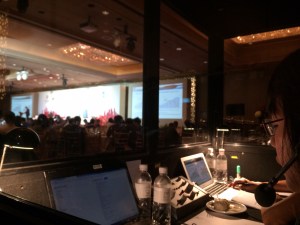
A simultaneous interpreter is responsible for delivering an accurate and immediate translation of spoken content, often in settings where even the smallest error could significantly impact communication. High-pressure situations can occur in various scenarios, such as:
- Diplomatic Meetings: Where interpreting inaccuracies can lead to misunderstandings with serious international consequences.
- Medical Conferences: Where clear communication is essential for discussing patient care and medical procedures.
- Legal Proceedings: Where every word is crucial in the courtroom or arbitration.
- International Business Negotiations: Where misinterpretation can affect business deals and negotiations.
In such contexts, interpreters must not only be fluent in the languages but also have the skills to maintain composure and deliver accurate translations under pressure.
Click here to learn about The Impact of Simultaneous Interpreters on International Conferences and The Future of Simultaneous Interpretation.
2. Cognitive Demands and Challenges Faced by Simultaneous Interpreters
Simultaneous interpretation requires interpreters to perform multiple cognitive tasks simultaneously. These include listening to the source language, processing the information, translating it into the target language, and speaking the translation in real time. The challenges associated with these tasks are intensified in high-pressure situations, leading to cognitive overload. Some of the key challenges faced by simultaneous interpreters are:
- High Cognitive Load: The interpreter must process large amounts of information quickly while maintaining accuracy.
- Stress Management: Stress can affect concentration and cognitive performance, potentially leading to errors.
- Working Memory Limitations: The interpreter must remember what was just said while simultaneously processing new information.
- Time Constraints: The interpreter has only a few seconds to comprehend, translate, and deliver the message.
The ability to handle these demands effectively is essential for success in the field. Training and preparation play a crucial role in developing these skills.
3. Training Techniques for Handling High-Pressure Situations
Proper training is fundamental for developing the skills needed to handle high-pressure situations as a simultaneous interpreter. Various training techniques focus on building cognitive resilience, language proficiency, and stress management abilities. Key techniques include:
A. Shadowing and Parroting Exercises
- Shadowing: Involves repeating a speech in the same language as it is being heard. This helps improve concentration, speed, and the ability to follow the speaker’s rhythm.
- Parroting: Involves listening to a short sentence and then immediately repeating it in the same or a different language. It helps enhance memory retention and multitasking skills.
B. Sight Translation Practices
- Description: Interpreters practice reading written text and orally translating it into the target language on the spot.
- Benefit: Sight translation helps improve cognitive processing speed, enabling interpreters to handle high-pressure situations more effectively.
C. Simulation of High-Stress Environments
Training programs often incorporate mock interpreting sessions that mimic high-stress scenarios. These sessions may include:
- Timed Exercises: Simulating tight deadlines to practice delivering translations quickly and accurately.
- Simulated High-Pressure Scenarios: Mock conferences, legal proceedings, or medical settings where interpreters must deliver under pressure.
These exercises aim to replicate real-world conditions, helping interpreters build confidence and resilience.
D. Stress Management Techniques
Learning techniques to manage stress is crucial for interpreters. Effective stress management practices include:
- Mindfulness and Relaxation Techniques: Breathing exercises, meditation, and progressive muscle relaxation can help reduce anxiety.
- Physical Fitness: Regular exercise improves overall stress resilience and cognitive function.
- Biofeedback Training: Using technology to monitor stress indicators like heart rate variability, allowing interpreters to develop greater control over their stress responses.
4. Strategies for Handling High-Pressure Situations
To excel as a simultaneous interpreter in high-pressure environments, it is essential to adopt specific strategies that enhance performance and mitigate the effects of stress. These strategies include:
A. Preparation and Anticipation
- Research Before the Assignment: Understanding the subject matter, industry-specific terminology, and context helps reduce cognitive load during interpretation.
- Anticipating Potential Challenges: Identifying sections of the content that may be difficult to translate and preparing for them in advance can prevent on-the-spot stress.
- Familiarization with the Speaker’s Accent and Style: Knowing the speaker’s speech patterns, accent, and style helps interpreters predict sentence structures and meaning, facilitating smoother interpretation.
B. Mental Flexibility and Adaptability
- Adapting to Changes in Pace: Speakers may accelerate or slow down unexpectedly. Interpreters must adjust their speed accordingly.
- Handling Unexpected Technical Issues: Being familiar with remote interpretation equipment and having contingency plans for technical failures can prevent panic and interruptions.
C. Maintaining Focus and Composure
- Techniques for Concentration: Use visualization techniques, where interpreters mentally “see” the translated content, to maintain focus.
- Stress Recovery Techniques: Briefly pausing to take a deep breath between segments can help reduce accumulated stress.
- Avoiding Self-Criticism During Performance: Focusing on delivering the current message rather than dwelling on previous mistakes helps maintain performance quality.
D. Effective Use of Technology
Interpreters should be adept at using modern tools and technologies to aid their work:
- Interpreter Consoles and Software: Advanced consoles can assist interpreters in controlling audio settings and keeping track of multiple speakers.
- Note-Taking Apps and Digital Pads: These can be used for quickly jotting down key points or terms for reference during interpretation.
5. Common High-Pressure Scenarios and How to Manage Them
Simultaneous interpreters may encounter specific high-pressure scenarios that require tailored strategies. Here are some examples and how to handle them effectively:
A. Fast-Speaking Speakers
- Challenges: Fast speakers can overwhelm the interpreter’s cognitive processing capabilities, leading to omissions or errors.
- Strategies: Focus on capturing the main ideas rather than every word. Employing paraphrasing techniques can help keep pace with the speaker while maintaining the message’s core meaning.
B. Difficult Accents or Dialects
- Challenges: Unfamiliar accents can increase the difficulty of understanding the source language, thus raising stress levels.
- Strategies: Exposure to various accents during training is crucial. Additionally, interpreters can use context clues and anticipate common phrases used in the field.
C. Simultaneous Multilingual Interpretation
- Challenges: Interpreting for an event where multiple languages are spoken simultaneously can cause confusion and increase cognitive load.
- Strategies: Focus on the main language or channel assigned to the interpreter. Use technological tools to filter out background noise and enhance audio clarity.
- Effective Techniques for Managing High-Pressure Situations as a Simultaneous Interpreter
- Pre-event preparation, including terminology research.
- Use of stress management practices such as meditation and breathing exercises.
- Employing shadowing and sight translation techniques during training.
- Utilization of advanced interpretation equipment to handle technical issues.
- Maintaining flexibility to adapt to unexpected changes in pace or content.
- Key Stress Triggers in High-Pressure Situations and How to Address Them
- Trigger: Unfamiliar terminology or content.
- Solution: Conduct thorough research and prepare glossaries before the event.
- Trigger: Fast speakers or rapid shifts in topics.
- Solution: Focus on the main ideas rather than every word, and practice paraphrasing.
- Trigger: Technical difficulties, such as audio problems.
- Solution: Familiarize yourself with the equipment beforehand and have a contingency plan.
- Trigger: Long interpreting sessions without breaks.
- Solution: Advocate for regular breaks to maintain mental clarity and performance.
- Trigger: Unfamiliar terminology or content.
6. Cognitive Skills Required for Simultaneous Interpreters and Corresponding Training Techniques
| Cognitive Skill | Description | Training Technique |
| Memory Retention | Ability to recall information while processing new data | Shadowing, sight translation, memory exercises |
| Multitasking | Simultaneously listening, processing, and speaking | Parroting exercises, dual-task training |
| Stress Resilience | Managing stress and staying calm under pressure | Mindfulness, physical fitness, biofeedback |
| Active Listening | Focusing intently on the speaker’s message | Intensive listening practice, role-playing |
| Cognitive Flexibility | Switching between tasks and adapting to changes in pace or content | Simulation of high-pressure scenarios, improvisation |
7. Continuous Professional Development for Simultaneous Interpreters
Continuous professional development is crucial for simultaneous interpreters to maintain high performance, especially in high-pressure situations. This can be achieved through:
- Advanced Certification Programs: Such as AIIC or UN certification, which provide further validation of skills and experience.
- Workshops and Seminars: Regularly attending events where experts discuss interpreting techniques and new trends in the field.
- Language Enhancement Courses: Keeping language skills up-to-date by attending language courses or practicing with native speakers.
- Technology Training: Familiarizing oneself with new interpretation software and tools to stay competitive in a technology-driven market.
Training and Certification Pathways for Aspiring Simultaneous Interpreters
Summary of Simultaneous Interpreter
Handling high-pressure situations as a simultaneous interpreter involves mastering a unique set of skills, preparing thoroughly for assignments, and developing strategies for stress management and mental agility. By focusing on training techniques, cognitive skills, and continuous professional development, interpreters can enhance their ability to perform under pressure, ensuring accurate and reliable communication in critical settings. The dynamic and rewarding nature of the profession requires lifelong learning and dedication to excel as a simultaneous interpreter, particularly when faced with high-stakes scenarios.

Susan has extensive experience in conference interpretation, simultaneous interpretation services, document localization for governmental and legal needs. Her work with embassies and government agencies ensures that documents meet specific regional requirements, making her expertise invaluable for international clients.
YouTube Videos on Simultaneous Interpreter
Academic References for Simultaneous Interpreter:
- Psychological stress experienced by Arab simultaneous interpreters
- Impacts of Physiological Stress on Arab Simultaneous Interpreters
- Coping with culture in media interpreting
- [PDF] A Cognitive Psycholinguistic Analysis of Simultaneous Interpretation Errors
- Oral interpretation skills among English-majored graduates: A case of those from a university in Vietnam
- [BOOK] Interpreters at the United Nations. A history
- [PDF] Business in China–A New Perspective on the Impact of the Interpreter: A Pilot Study
- [BOOK] Consecutive interpreting: A short course
- Towards Integrating Emotional Intelligence in the Interpreter’s Toolkit: Emotions’ Management Training of Translation Graduate Students in KSA
- We’re in this together–joint and several: How interpreters in spoken languages cooperate in teams in Swedish courts of law